News
Steel Erection Safety: What Every Building Owner Should Know
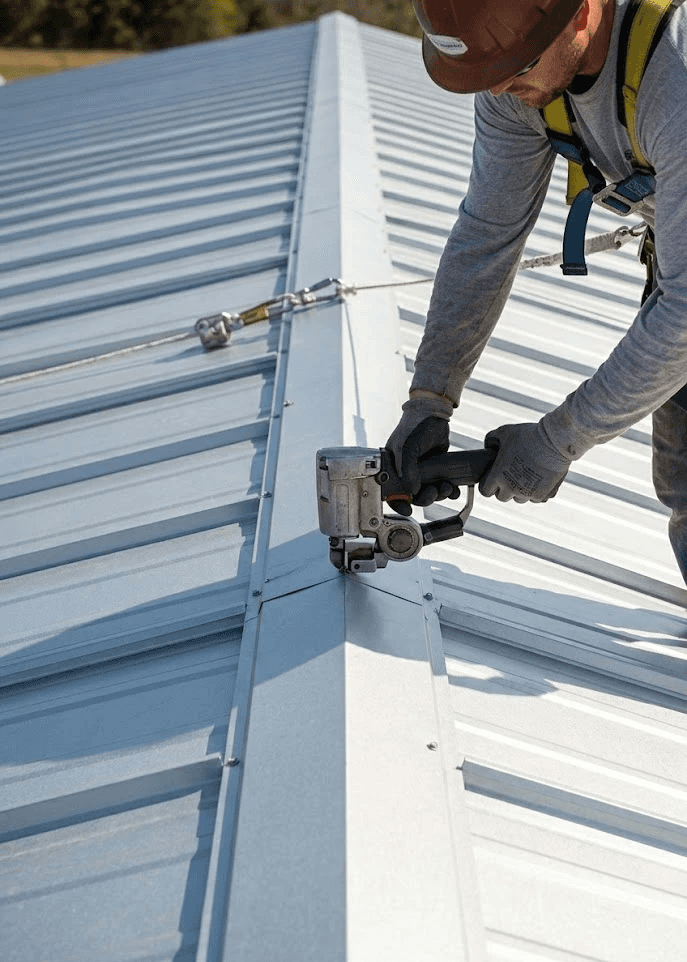
Steel erection is one of the most hazardous trades in construction. As a building owner, the safety practices of the crew on your property directly affect your project and your liability. Here's what to look for and why it matters.
OSHA Sets the Baseline
OSHA's Steel Erection standard (Subpart R) covers everything from fall protection to column stability to landing zone requirements during crane operations. Any erector working on your project should know these rules inside and out. If a crew shows up without harnesses, hard hats, or a documented safety plan, that's a red flag you can't ignore.
Fall Protection Is Non-Negotiable
Falls are the leading cause of death in construction. During steel erection, workers are routinely 20, 30, even 60 feet in the air walking beams and connecting purlins. Proper fall protection, including harnesses, lanyards, anchor points, and safety nets where required, isn't just regulation. It's the difference between everyone going home at the end of the day.
Crane Safety Affects Everyone on Site
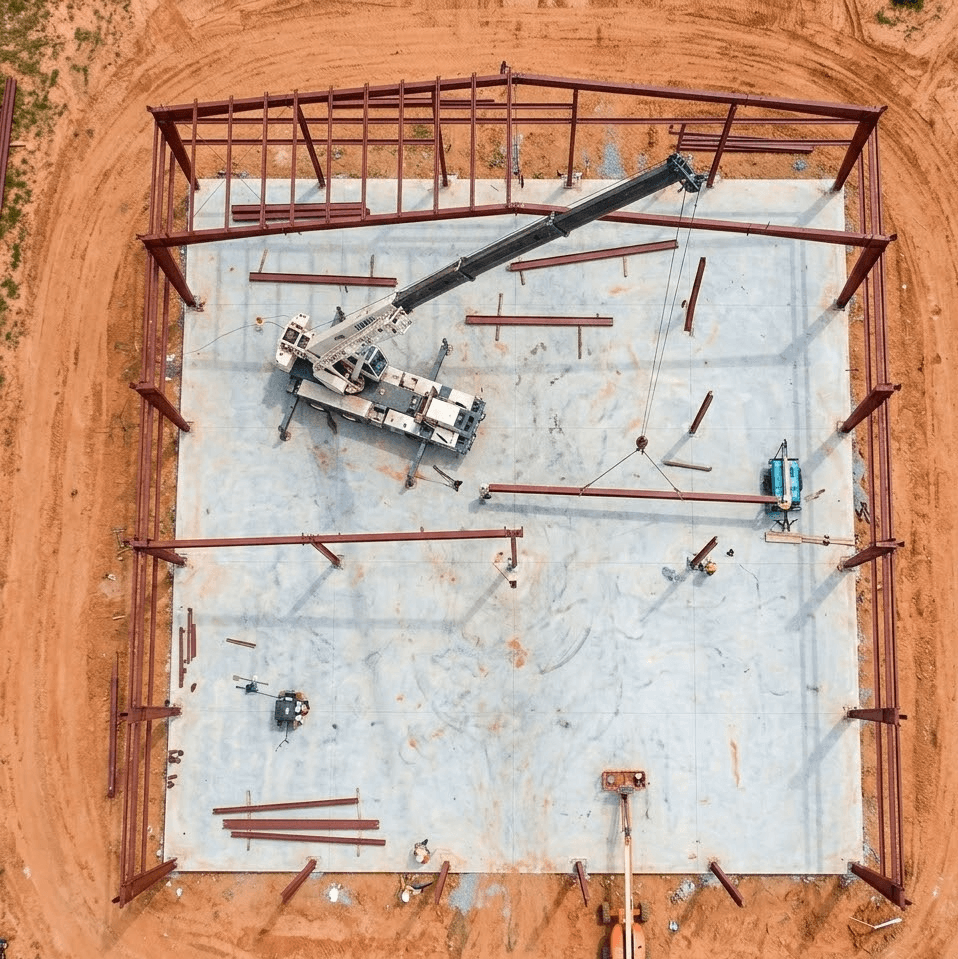
Most metal building erection involves mobile cranes lifting steel into place. Proper rigging, load calculations, swing radius management, and communication between the operator and iron workers are critical. One mistake can bring a beam down on workers, equipment, or your partially completed building.
Daily Safety Meetings Matter
Experienced erection crews start every day with a toolbox talk covering that day's specific hazards, weather conditions, and task assignments. It takes 10 minutes and prevents incidents that could shut your project down for weeks.
Your Liability as a Property Owner
If an uninsured or underinsured crew gets hurt on your property, you could be on the hook. Verify that your erector carries adequate general liability and workers' compensation insurance. Ask for certificates. Reputable companies provide them without hesitation.
A Safe Crew Is a Productive Crew
Safety and speed aren't opposites. Crews with strong safety cultures work more efficiently because they plan their work, communicate clearly, and don't waste time dealing with incidents, investigations, and OSHA citations. A safe job site is a well-run job site.
When you're evaluating metal building erectors, safety shouldn't be an afterthought. It should be one of the first questions you ask, because it tells you everything about how that company operates.